

Optimizing Equipment Lifespan with Oil Analysis Services

Maintaining industrial equipment is a critical task for any business aiming to maximize productivity and minimize downtime. One of the most effective ways to extend the life of machinery is through regular oil analysis services. By monitoring the condition of lubricants, I can detect early signs of wear, contamination, and other issues that could lead to costly repairs or failures. This proactive approach helps me optimize equipment lifespan and ensure smooth operations.
Understanding the Role of Oil Analysis Services
Oil analysis services involve testing lubricant samples from machinery to assess their condition and the health of the equipment. These tests provide valuable data on:
Wear particles: Identifying metal debris that indicates component wear.
Contaminants: Detecting dirt, water, or other foreign substances.
Additive depletion: Measuring the effectiveness of lubricant additives.
Viscosity changes: Monitoring the oil’s thickness and flow properties.
By analyzing these factors, I can pinpoint problems before they escalate. For example, if metal particles from a bearing start appearing in the oil, it signals early wear that requires attention. Addressing this promptly prevents unexpected breakdowns and extends the equipment’s operational life.
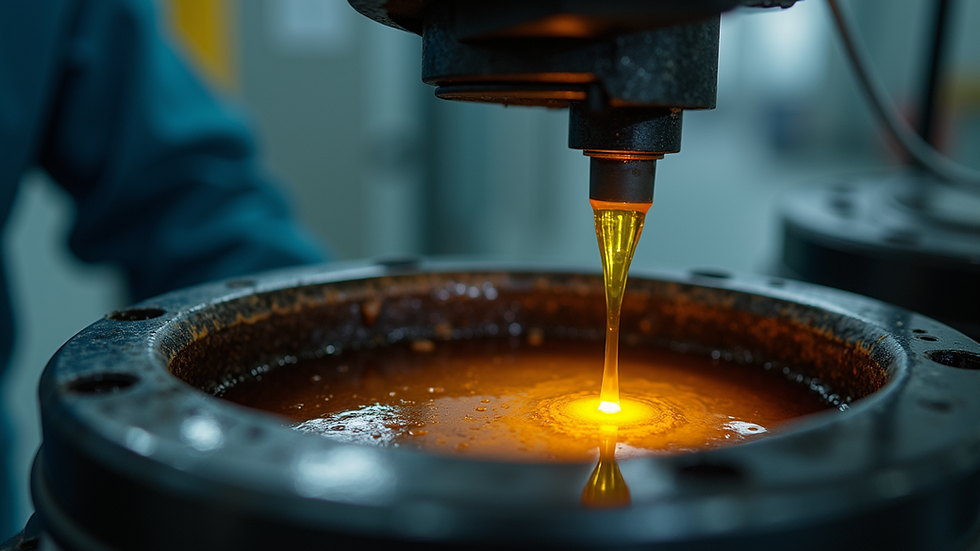
Benefits of Regular Oil Analysis Services
Implementing a routine oil analysis program offers several advantages:
Reduced Maintenance Costs
Early detection of issues means I can schedule maintenance only when necessary, avoiding unnecessary oil changes and repairs.
Increased Equipment Reliability
Monitoring oil condition helps maintain optimal lubrication, reducing friction and wear.
Extended Equipment Lifespan
By preventing severe damage, oil analysis helps machinery last longer, protecting your investment.
Improved Safety
Identifying potential failures early reduces the risk of accidents caused by equipment malfunction.
Environmental Compliance
Efficient oil use and disposal align with environmental regulations, minimizing waste.
For example, a manufacturing plant I worked with reduced their unplanned downtime by 30% after adopting a comprehensive oil analysis program. This improvement translated into significant cost savings and higher production efficiency.
How to Implement an Effective Oil Analysis Program
To get the most out of oil analysis services, follow a structured approach:
1. Establish Baseline Data
Start by collecting initial oil samples from all critical equipment. This baseline helps track changes over time.
2. Define Sampling Frequency
Determine how often to sample based on equipment type, operating conditions, and manufacturer recommendations. High-use or critical machines may require monthly testing, while others might need quarterly checks.
3. Use Proper Sampling Techniques
Collect samples from the same location on each machine, ideally when the equipment is warm and running. Avoid contamination during sampling by using clean containers and tools.
4. Choose a Reliable Laboratory
Choose a partner with a certified lab that provides detailed reports and expert interpretation. Accurate analysis is key to making informed decisions.
5. Act on the Results
Review reports promptly and schedule maintenance or oil changes as needed. Track trends to identify recurring issues or improvements.
6. Train Staff
Educate maintenance teams on the importance of oil analysis and proper sampling methods to ensure consistency.
By following these steps, you can maintain a proactive maintenance strategy that keeps equipment running smoothly and efficiently.

Common Oil Analysis Tests and What They Reveal
Understanding the types of tests performed during oil analysis helps me interpret results and take appropriate action. Some common tests include:
Spectrometric Analysis
Detects metal particles and contaminants. High levels of iron or copper may indicate wear in bearings or gears.
Viscosity Testing
Measures oil thickness. Changes can signal contamination or oil degradation.
Water Content
Identifies moisture in oil, which can cause corrosion and reduce lubrication effectiveness.
Particle Count
Quantifies dirt and debris. Excessive particles suggest filtration issues or environmental contamination.
Additive Analysis
Checks the concentration of additives that protect against wear and oxidation.
For instance, if water content is high, I investigate potential leaks or condensation problems. If additive levels drop, I schedule an oil change to restore protection. These insights allow me to tailor maintenance to the specific needs of each machine.
Maximizing ROI with Oil Analysis Services
Investing in oil analysis services delivers measurable returns. Here’s how I maximize the value:
Integrate with Predictive Maintenance
Combine oil analysis data with vibration monitoring and thermal imaging for a comprehensive view of equipment health.
Customize Testing Panels
Select tests based on equipment type and operating environment to focus on relevant issues.
Leverage Trend Analysis
Track data over time to predict failures and optimize maintenance schedules.
Communicate Findings Clearly
Share reports with decision-makers to justify maintenance budgets and improvements.
By using oil analysis as part of a broader maintenance strategy, I help businesses reduce downtime, lower costs, and improve operational efficiency.
Partnering with Experts for Industrial Lubrication Solutions
Choosing the right partner for oil analysis services is crucial. I rely on companies that offer:
Comprehensive Testing Capabilities
Access to advanced labs and a wide range of tests.
Expert Interpretation
Skilled analysts who provide actionable recommendations.
Responsive Support
Quick turnaround times and ongoing consultation.
Quality Lubrication Products
Access to premium oils and additives tailored to specific equipment needs.
For businesses across North America, working with a trusted provider like H&B INDUSTRIES INC. ensures access to top-notch industrial lubrication products and services. Their commitment to building lasting customer relationships aligns with their goal of optimizing equipment lifespan through reliable oil analysis.
Taking the Next Step in Equipment Maintenance
Regular oil analysis services are a powerful tool for extending the life of industrial equipment. By detecting problems early, I can prevent costly repairs and downtime. Implementing a structured oil analysis program, understanding test results, and partnering with experts are key to success.
If you want to improve your maintenance strategy and protect your machinery investment, consider integrating oil analysis into your routine. The benefits are clear - better reliability, lower costs, and longer equipment life.
Start today by reaching out to a trusted oil analysis provider and take control of your equipment’s future.


Comments